
Batu Caves Murugan Temple: Steps, Hours & Dress Code

IF YOU'RE PLANNING A TRIP TO KUALA LUMPUR, CHANCES ARE YOU'VE SEEN THAT MASSIVE GOLDEN STATUE GLOWING AGAINST A LIMESTONE HILL. THAT'S THE BATU CAVES MURUGAN STATUE, AND WE'LL BE HONEST—WHEN WE FIRST VISITED, WE HAD NO IDEA WHAT TO EXPECT. IS IT A TEMPLE? A STATUE? A CAVE? TURNS OUT, IT'S ALL OF THE ABOVE.
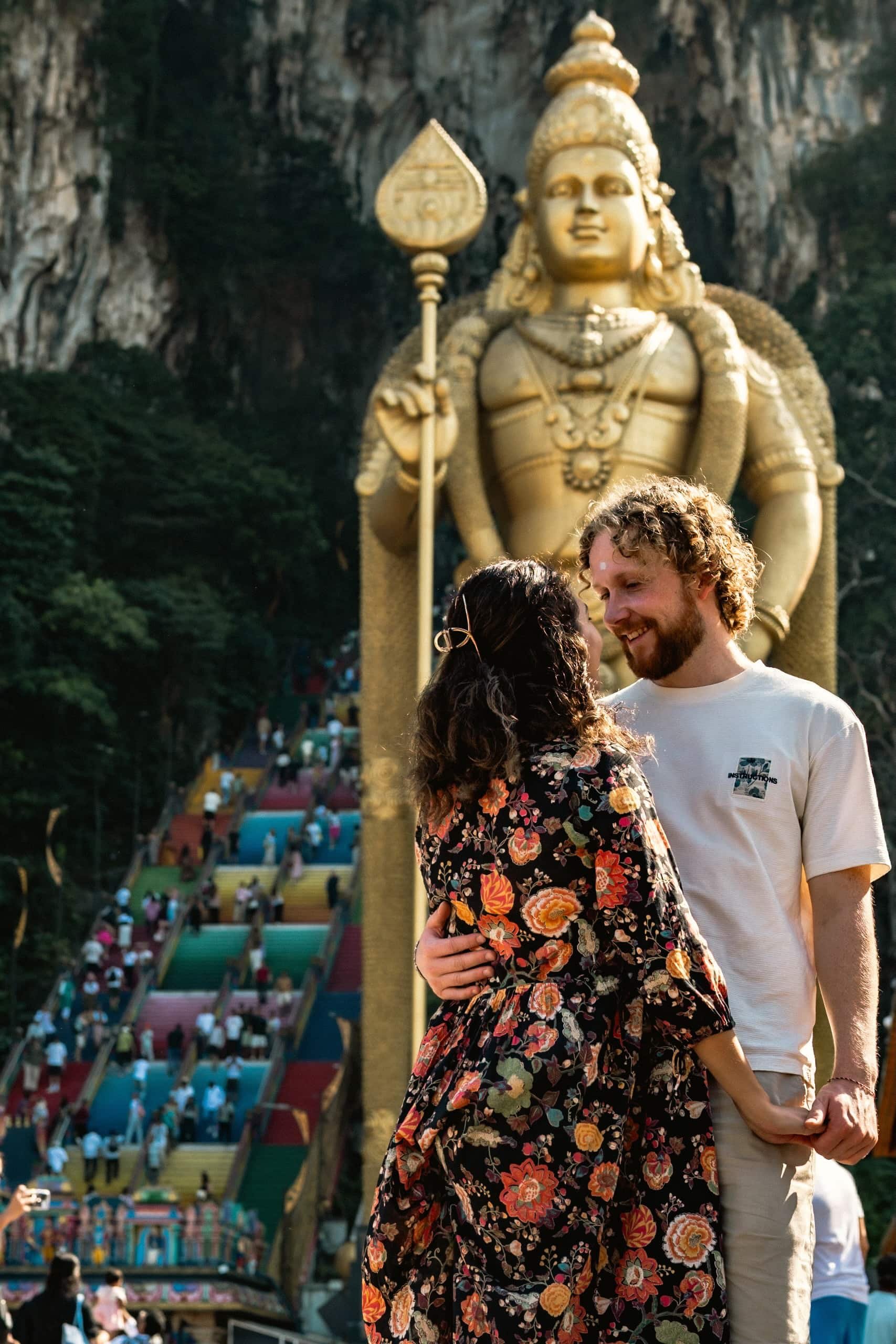
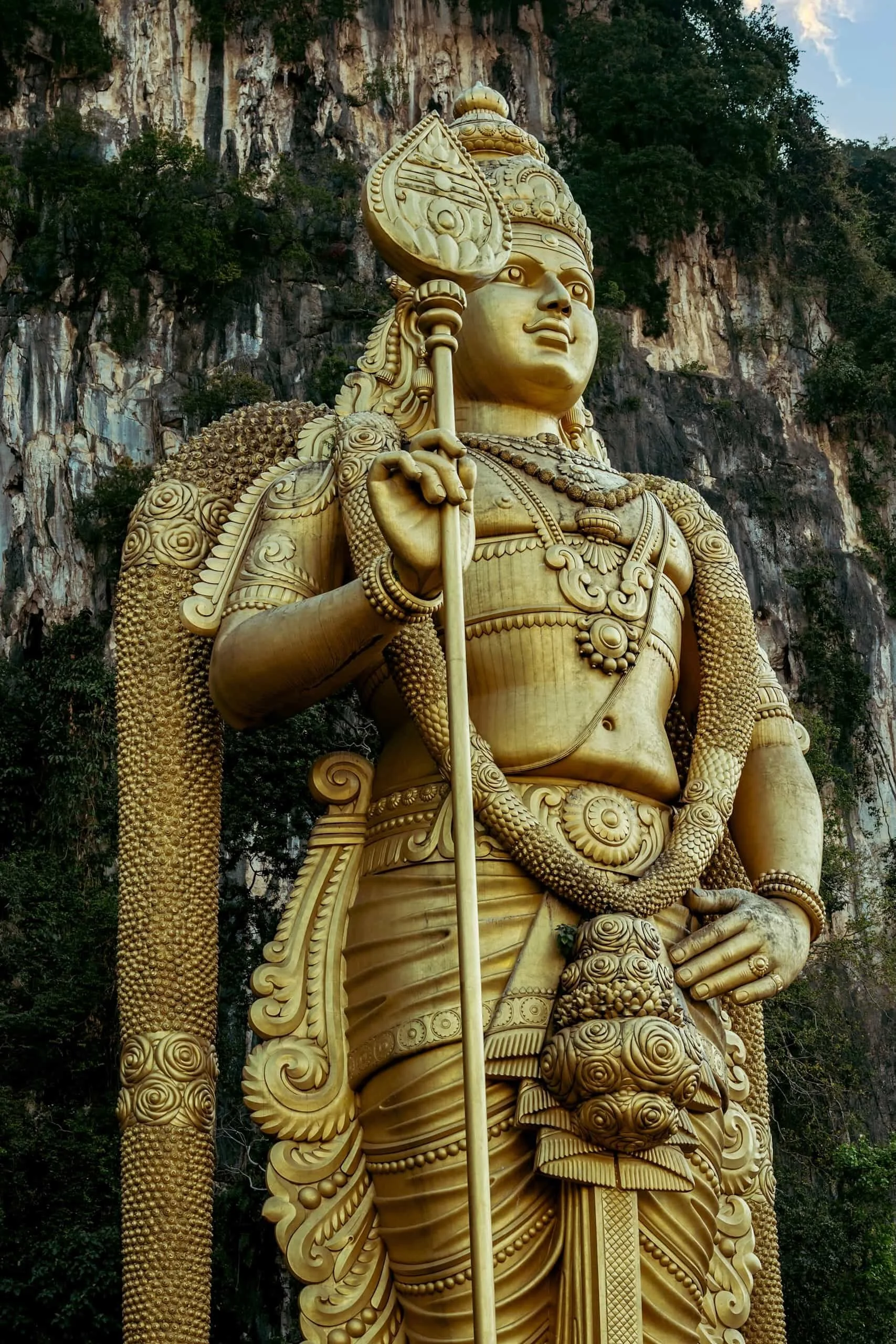
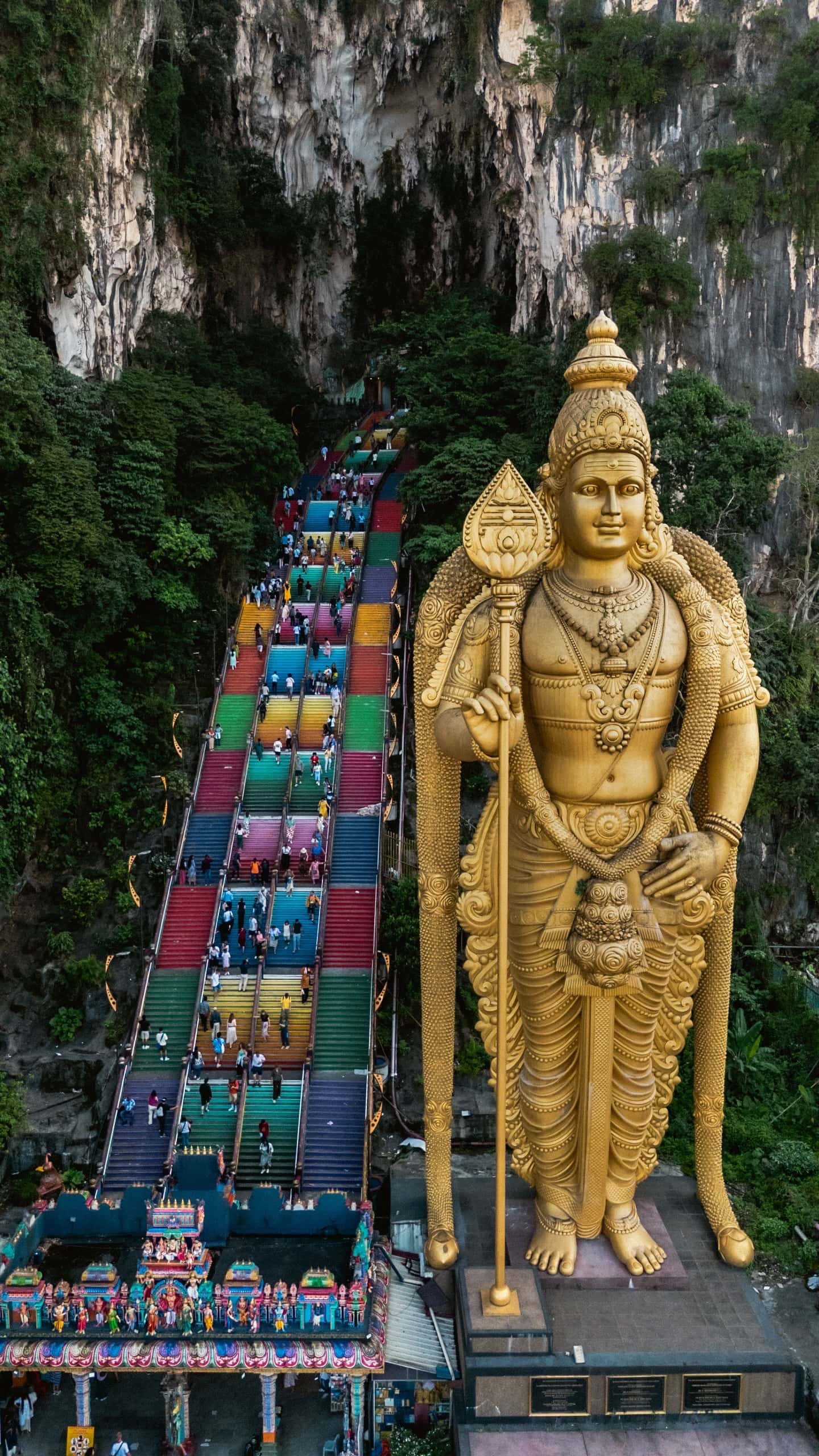
That 140-foot statue at the base of the rainbow stairs? It's the second tallest Lord Murugan statue in the world, roughly the height of a 12-story building. Lord Murugan, also known as Kartikeya or Skanda, is the Hindu god of war, victory, and wisdom. He's usually shown riding a peacock and carrying a spear.
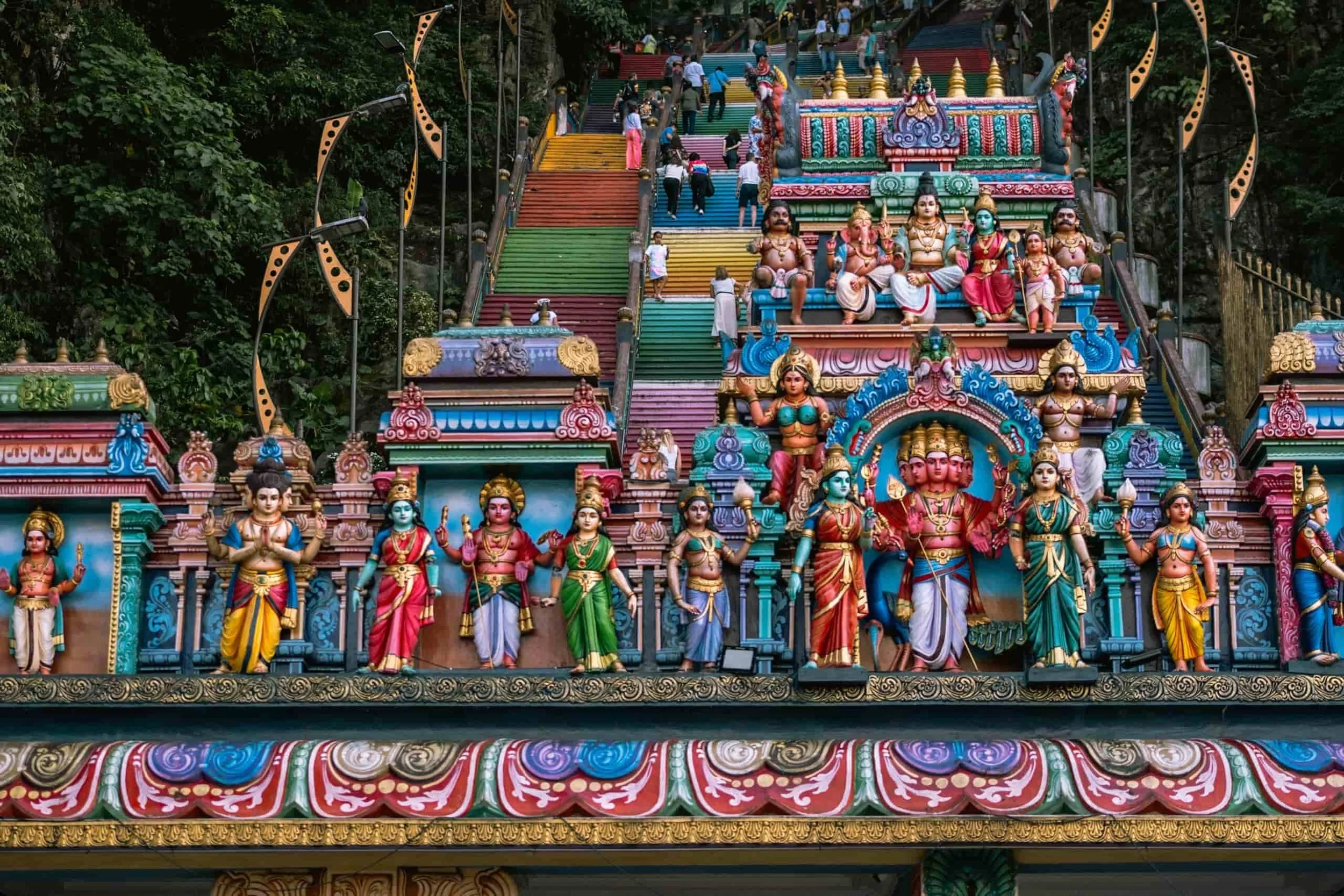
Batu Caves is a working temple in Kuala Lumpur, and the experience is about more than just the climb. We watched a woman sitting on the steps open a bag of chips, only to have a monkey snatch it right out of her hands. She screamed and jumped back, completely shaken. So before you head up those 272 steps, there are a few things worth knowing about the dress code, the monkeys, and the caves.
BATU CAVES AT A GLANCE
STEPS TO THE TEMPLE CAVE | 272
OPENING HOURS | 6:00 AM to 9:00 PM, daily
ENTRANCE FEE | Free for the Temple Cave and Cathedral Cave
DRESS CODE | Shoulders and knees covered. Sarongs available at the base of the stairs
HOW TO GET THERE | KTM Komuter from KL Sentral, 30 to 40 minutes, RM2.60. Batu Caves is the last stop
HOW LONG YOU NEED | 1 to 2 hours for the stairs and Temple Cave
BEST TIME TO GO | Before 8:00 AM on a weekday

HOW TO GET TO THE MURUGAN TEMPLE
The Batu Caves Murugan Temple is located just 13 kilometres from the city centre to the northern outskirts of Kuala Lumpur.
If this is your first time visiting a Hindu temple, we really recommend doing a guided tour. There is so much to see and so many little details to understand about Sanātana Dharma (Hinduism), the world’s oldest religion, having someone explain it to you makes the experience come alive.
We usually love booking tours through GetYourGuide, Klook or Viator. They are easy to use and have plenty of options to choose from.
BOOK | Private Half-Day Tour: Batu Caves, Thean Hou Temple, National Mosque, Chinatown & Central Market
It is very easy to get to with public transport and you have plenty of options on how to get to the Batu Caves:
KTM Komuter Train | Best Option
Take the direct KTM Komuter from KL Sentral to Batu Caves Station for around RM 2.60. The journey takes roughly 30 minutes and drops you right at the entrance, no transfers needed.
Grab (Ride-Hailing) | Most Comfortable
A GrabCar from central KL costs around RM 20–30 one-way and is perfect for families or those wanting door-to-door convenience in an air-conditioned car.
By Bus
Direct buses run every 30 minutes daily, with the journey taking approximately 30 minutes, the cheapest option after the train. (from where?- no clear information found online)
By Car
Take the MRR2 Highway, the drive takes 20–30 minutes outside rush hour, with paid parking available for around RM 3.
VISITING BATU CAVES: WHAT TO EXPECT BEFORE YOU GO
Temples & Attractions
What surprised us was how big the complex actually is. There's so much more to see beyond just the stairs. The temples at the bottom, the Ramayana Cave, the attractions, the open spaces it's easy to spend a couple of hours here. First-timers especially tend to underestimate how much there is to explore at the Batu Caves temple complex.
Crowds
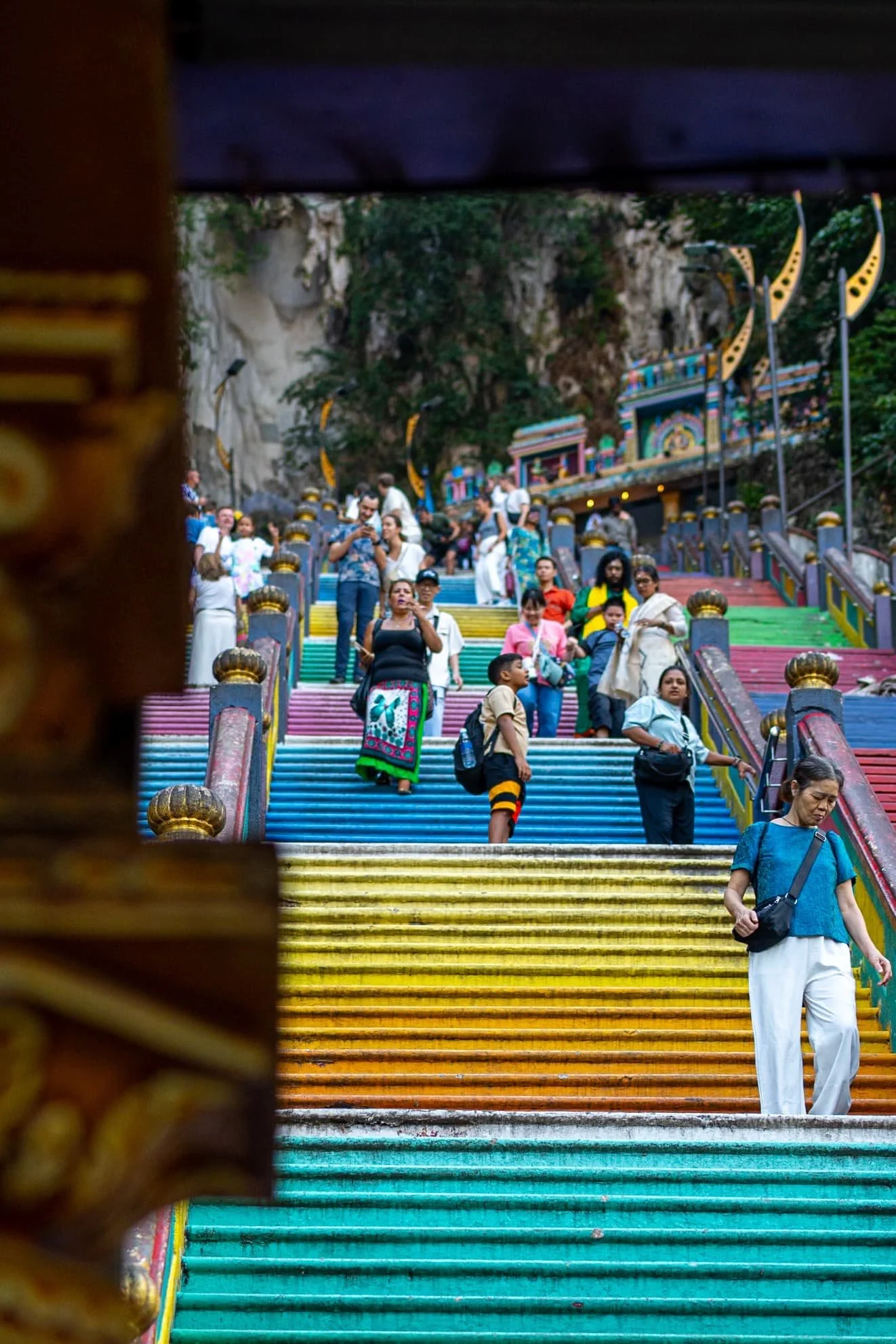
Batu Caves is a major tourist attraction, so we expected a lot of people. It can get crowded, and it will be especially busy on weekends when pilgrims travel from all over Malaysia to visit.
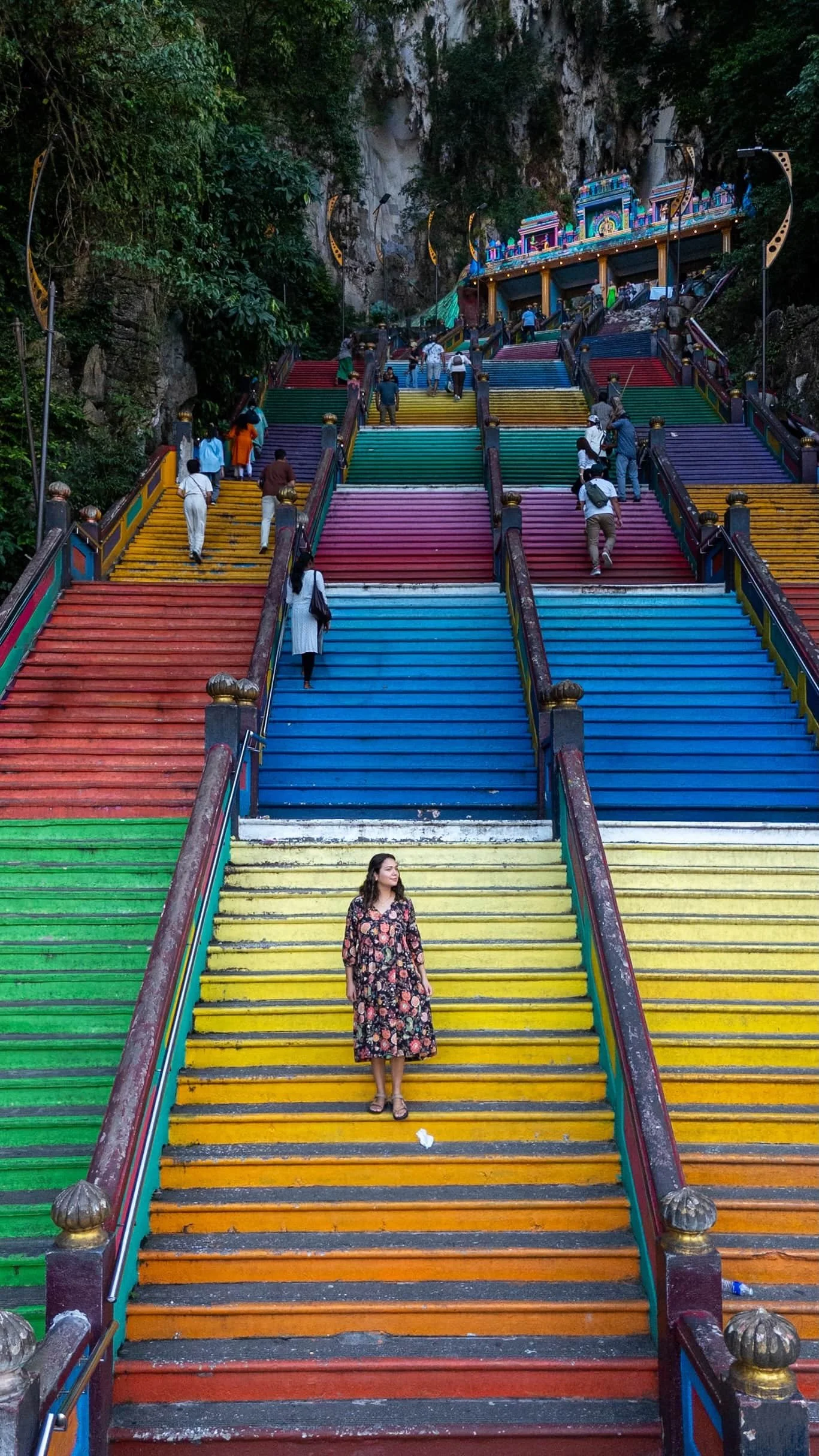
Climbing the 272 Steps
We'll be honest, the 272 steps looked more intimidating from the bottom than they felt once we started climbing. We made it up pretty quickly, though we definitely noticed some elderly visitors taking their time and a few struggling along the way.
The trick is simple: don't rush. Take breaks. Look back at the view. Catch your breath. It's super doable if you just go at your own pace.
TEMPLES, CAVES & ATTRACTIONS
Batu Caves is KL’s most iconic landmark, but there’s more than just the colorful steps. If you have some extra time, it's worth wandering over to the other temples and attractions nearby.
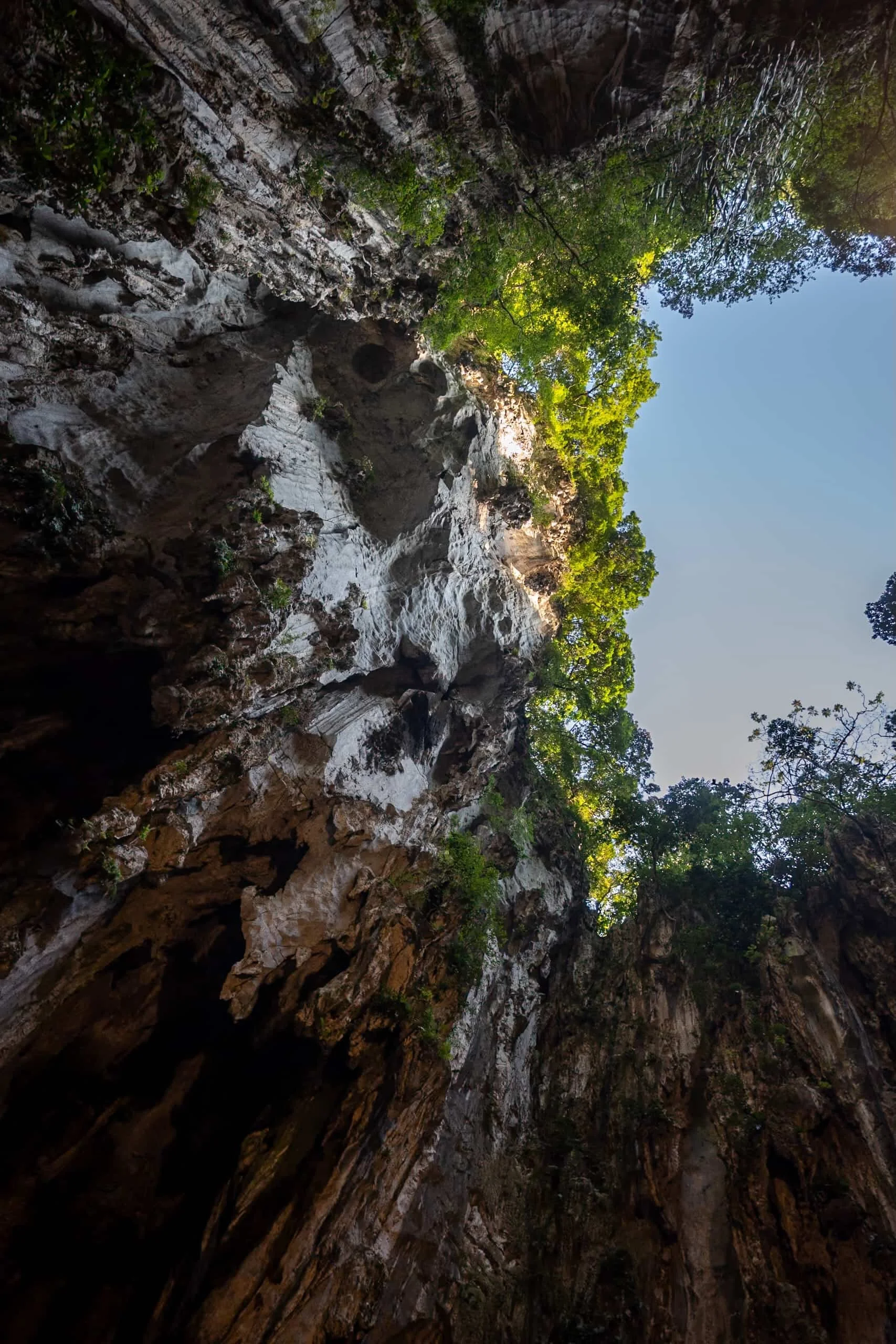
Murugan Temple or Cathedral Cave: you’ll reach the largest central cavern at the top of the 272 steps dedicated to Lord Murugan. It's carved right into a limestone hill, with the main cave stretching high above you like a natural cathedral. (is it actually accessible?- yes, but only after climbing the steps)
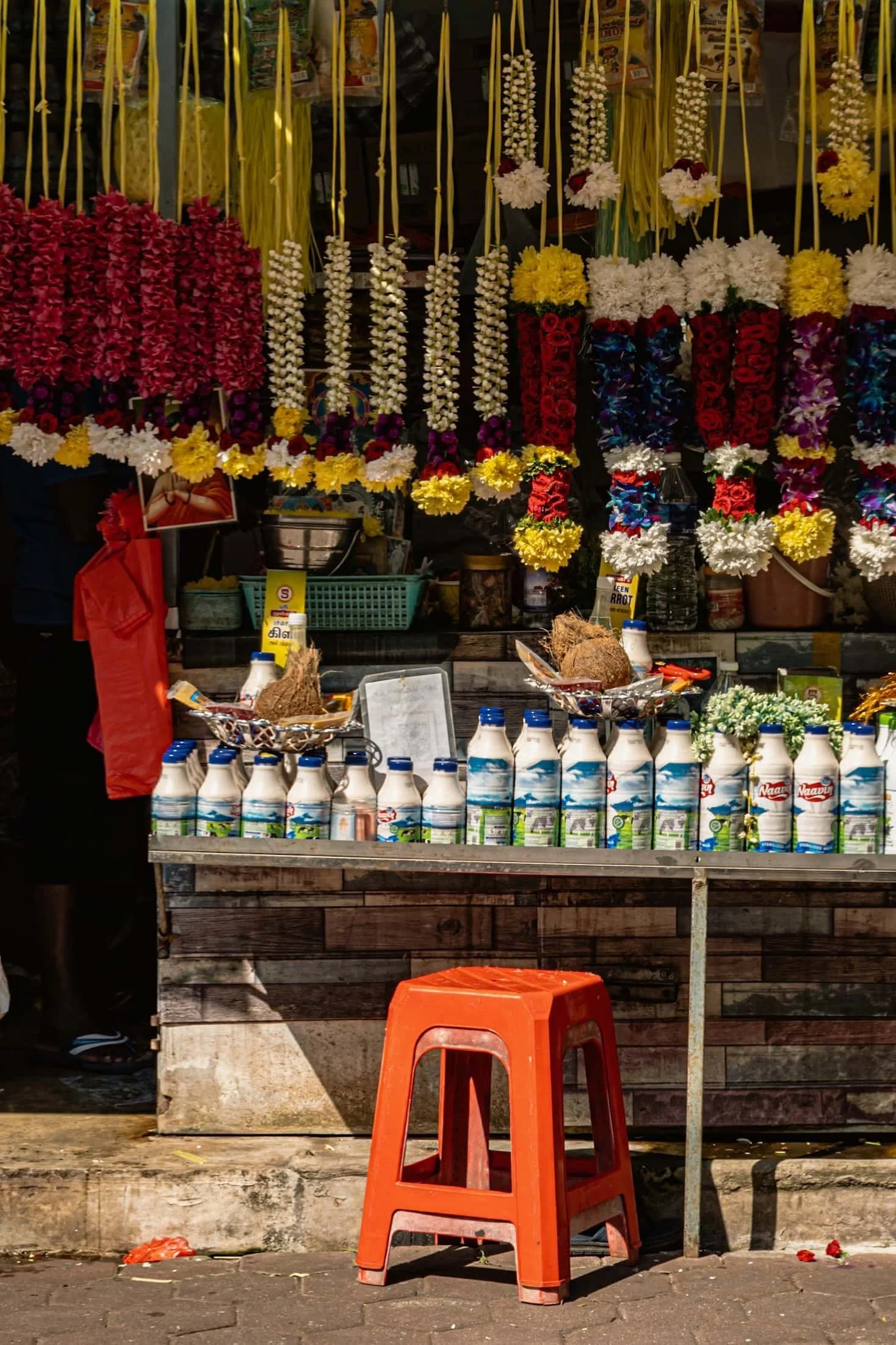
Sri Venkatachalapathi & Alamelu Temple: Temples before the stairs entrance on the left and right side, dedicated to depictions of goddess Laxmi. This temple features a special pooja on important occasions including the Maha Aarti (flame offering).
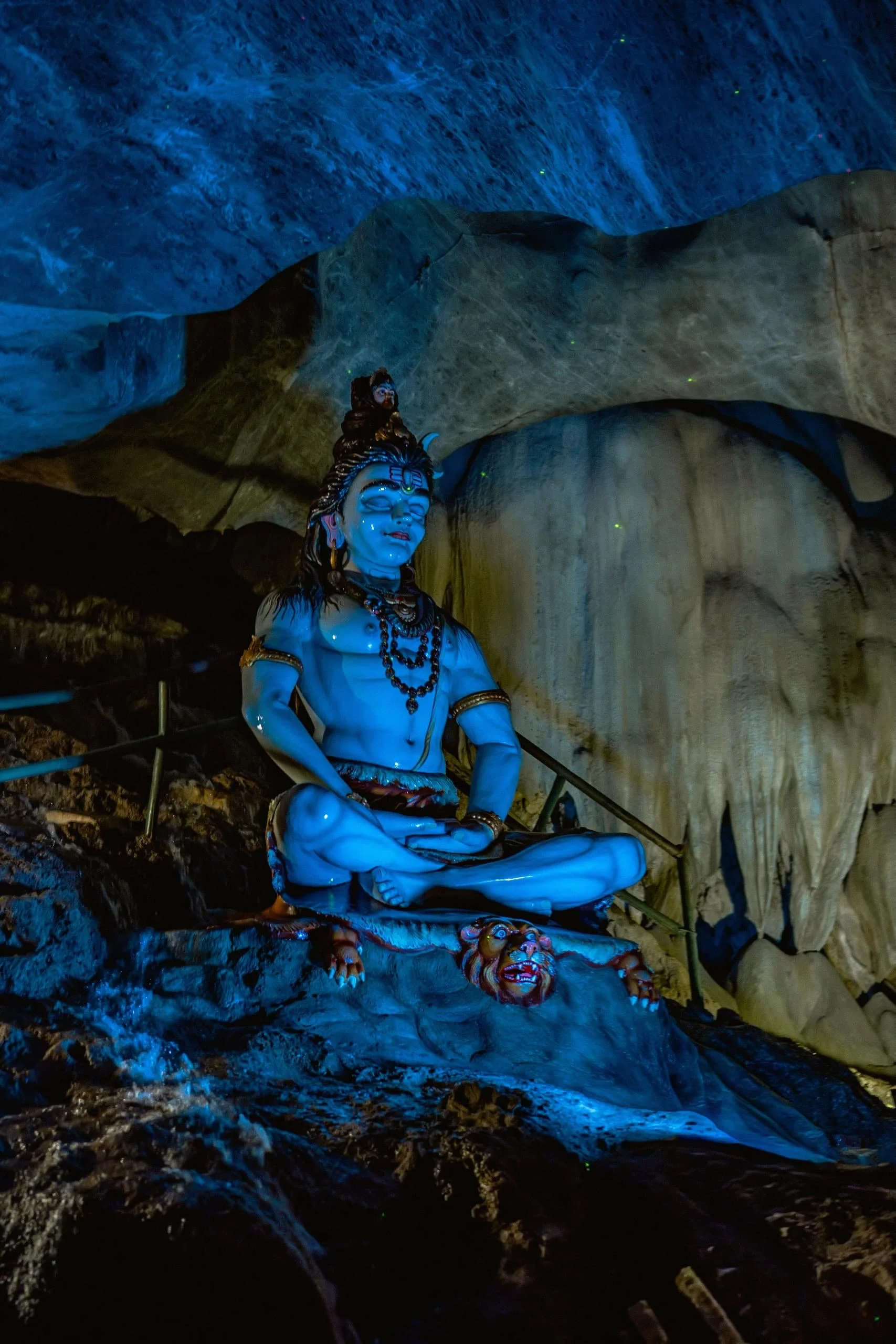
Ramayana Cave: A two minute walk from the Lord Murugan statue, the Ramayana cave hosts the ancient Hindu epic. It is brought to life with detailed statues and explanations depicting the story of Prince Rama's journey to rescue his wife Sita. Tucked away within is a peaceful Shiva Cave, perfect for a moment of quiet meditation away from the main activity.
Art Gallery Cave and Museum Cave: These two other caves are house to Hindu Statues and paintings.
Cave Villa: Privately-run attraction at Batu Caves that combines Hindu art displays with a small zoo. However, it has a very controversial reputation due to its mistreatment of animals. Since we don’t want to support this harmful practices with our entrance we, we decided to skip it.
Dark Cave: temporary closed.
BATU CAVES DRESS CODE: WHAT TO WEAR AT THE MURUGAN TEMPLE
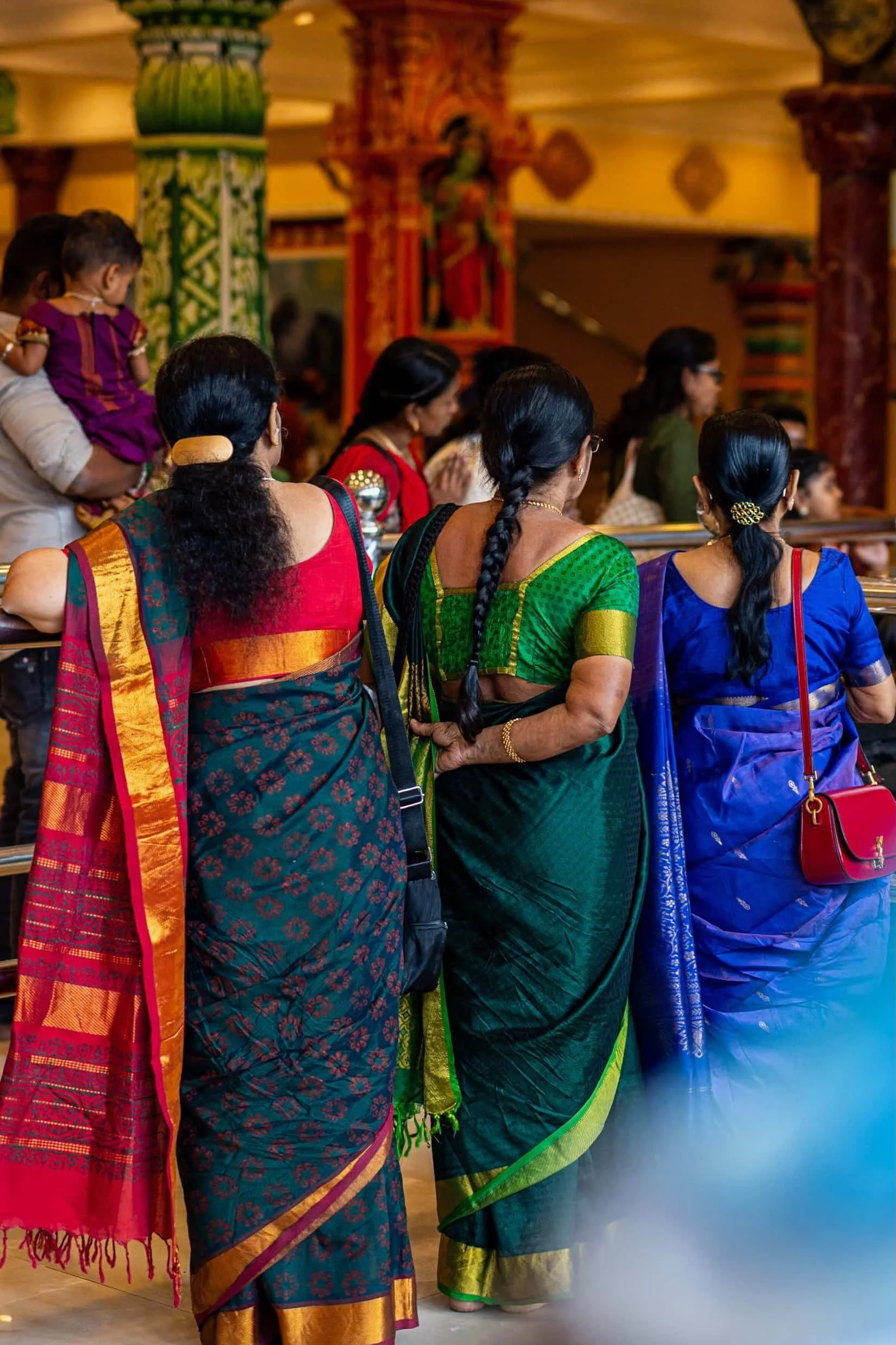
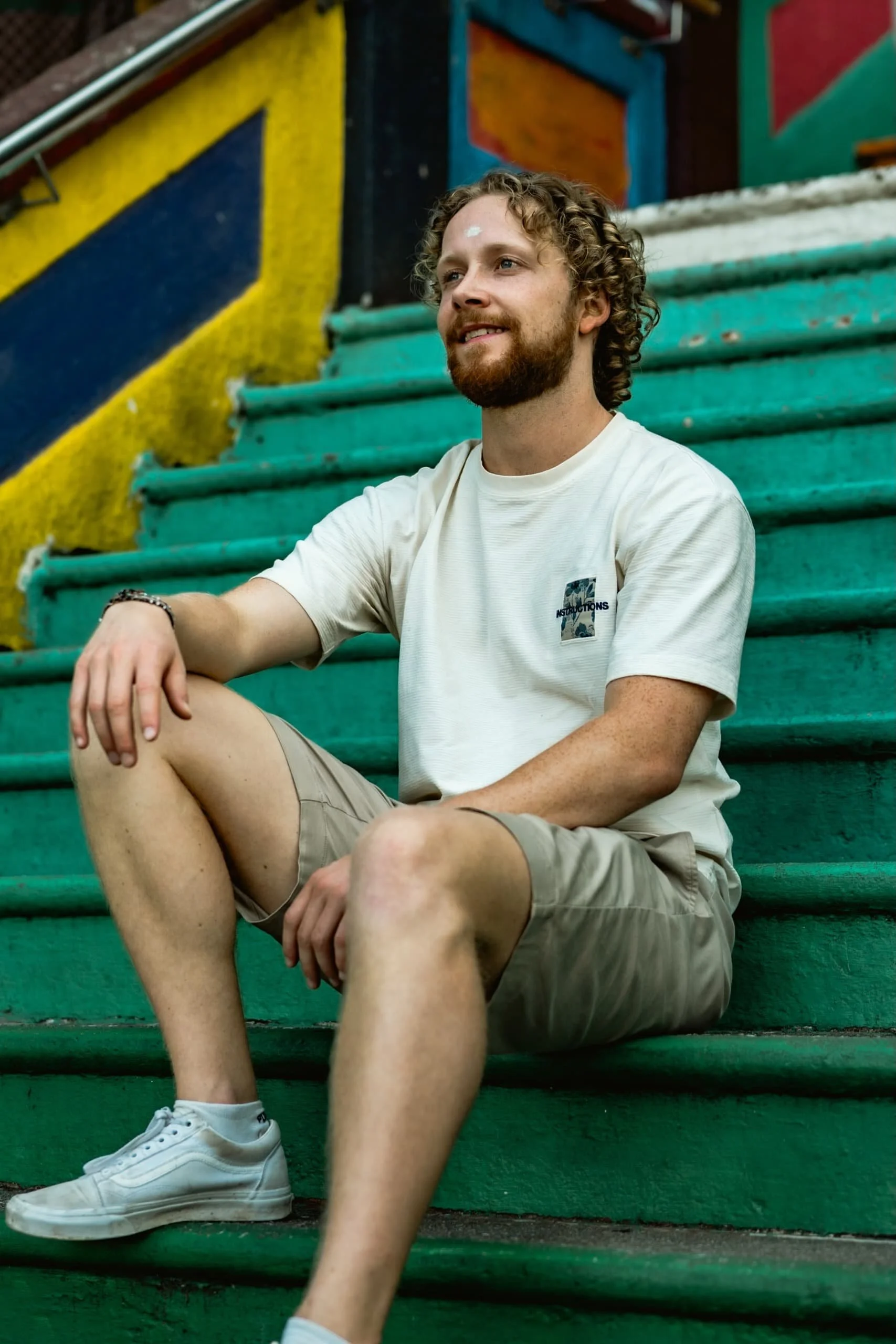
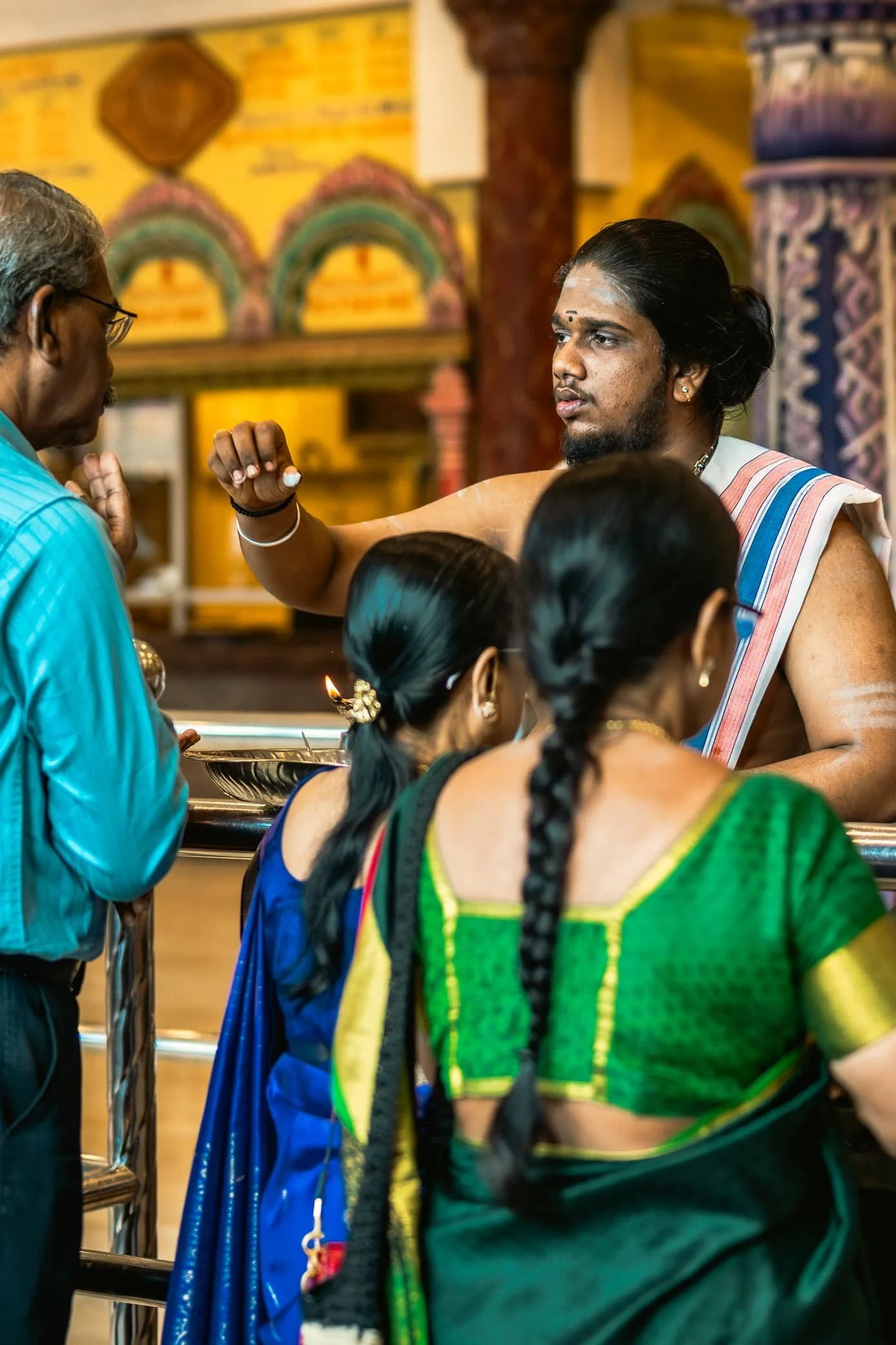
We learned quickly that Batu Caves is a temple first, tourist spot second. For Malaysia's Hindu community, this place is deeply sacred, and the rules at Hindu temples are simple: women, cover your shoulders and knees. We saw officers checking before people headed up the stairs, and you really won't be able to enter if you're not dressed appropriately. Wear light clothing and visit on a morning to avoid the heat.
If you forget, don't worry! Free sarongs are available to borrow at the entrance. Just grab one and you're set. Just keep in mind that many others have worn it before you. It might have been washed, or it might not.
THE MURUGAN STATUE
HEIGHT | 42.7 metres (140 feet), the tallest statue in Malaysia
UNVEILED | 29 January 2006, during Thaipusam
BUILT | Three years of construction, RM2.5 million, by sculptors from India working with local crews
MATERIALS | 350 tonnes of steel, 1,550 cubic metres of concrete, 300 litres of gold paint
WHO IS MURUGAN | Also known as Kartikeya, the Tamil god of war and victory, and a son of Shiva and Parvati. The temple inside the cave is the Sri Subramaniar Swamy Temple
ONE CORRECTION | Most guides still call this the world's tallest Murugan statue. That was true until 2022, when the Muthumalai Murugan Statue in Salem, Tamil Nadu, was completed at 146 feet. Batu Caves is now second in the world, and still the tallest in Malaysia.
We noticed you can wear your shoes to climb the stairs, so don't be surprised if you see others going barefoot. It's a Hindu custom to enter the temple barefoot, so we removed our shoes wherever we saw signs asking us to do so. You can also wear socks, if you prefer not to be barefoot.
TIP | If you're traveling around Malaysia or elsewhere in Southeast Asia, we definitely recommend packing your own sarong, you'll use it at nearly every temple you visit.
READ | Packing for Malaysia? Here’s What You Really Need
Planning your next Malaysia trip?
When you make a purchase through our links, you support us without any extra cost to you.
Your support means the world to us!
FIND HOTELS | Booking.com
RENT A CAR | Klook
FIND FLIGHTS | Skyscanner
GET TRAVEL INSURANCE | HeyMondo (get 5% off)
BOOK TOURS & ATTRACTIONS | GetYourGuide
BOOK A BUS / TRAIN / TRANSFER | 12Go
MONKEYS AT BATU CAVES: HOW TO STAY SAFE
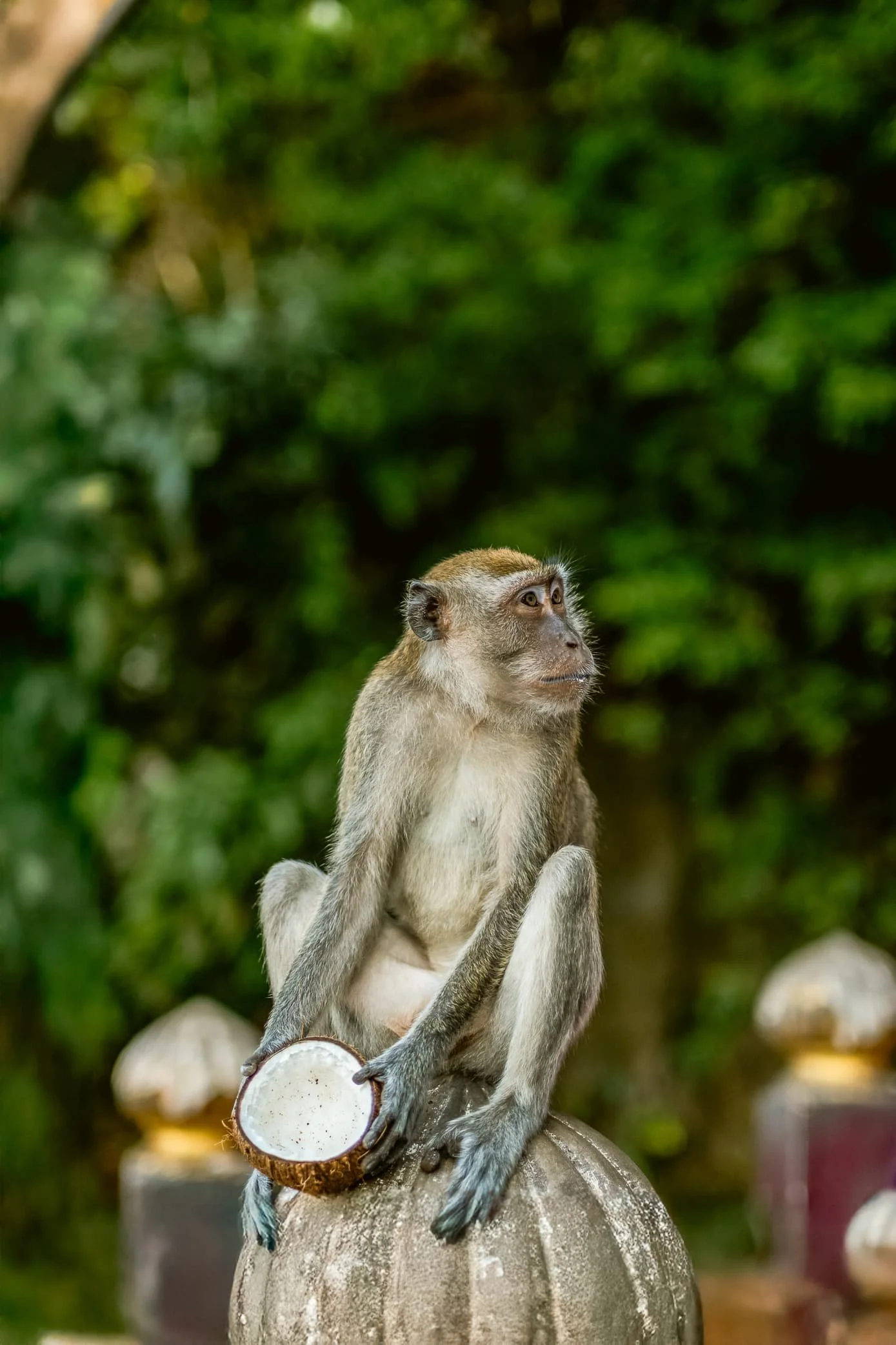
We get it. Monkeys are new and exciting for a lot of travelers. They look cute and fun to watch. But after living in Thailand and traveling around Southeast Asia, we've learned the hard way: most monkeys are not cute, they're scary.
We've seen tourists lose sunglasses, phones, bags, and water bottles more times than we can count. The monkeys know exactly what they're doing. They jump on you, grab your stuff, and scare you so badly that you just let go.
And here's the real risk: if they bite you, you'll need a rabies shots. It's not something you want to deal with on your trip. This is also our not-so-subtle reminder to get travel insurance. Because nothing ruins a trip like a monkey bite and a surprise medical bill. And these shots aren't exactly cheap or fun to pay for out of pocket.
So here's what we do: don't leave your bag alone. Don't bring food. Keep your phone and sunglasses tucked away. Watch from far away and keep your things close.
In case you definitely want to see monkeys, they start coming out as soon as food offerings are being done around 9 A.M.
PROTECT YOUR TRIP | We stay safe from medical emergencies with HeyMondo (5% discount) & SafetyWing (for digital nomads).
a
Newsletter
Turn dreams into plans and get a monthly dose of wanderlust with our tips, guides & travel stories.
a
BEST TIME TO VISIT THE BATU CAVES?
Knowing the Batu Caves visiting hours and planning around them can make a big difference in the kind of experience you have. But timing your visit by season matters too. The best months to visit are between December and March, when the weather is drier and the heat is more manageable.
That said, Batu Caves isn't really an attraction where crowds ruin the experience. It's a sacred site, and once the believers start arriving, the atmosphere shifts. There's movement, sound, and a real sense of devotion in the air. You actually get to see Sanātana Dharma (Hinduism) in action: the prayers, the rituals, the energy of people coming to worship.
So if you want the iconic photo with no one in it, try to arrive before sunrise. But if you want to experience Batu Caves for what it really is, don't stress about the crowds. We actually prefer it once the crowd shows up, that's when the temple feels like a temple. So, if this is your first Hindu temple visit, Batu Caves is a pretty incredible place to start.
HOW LONG DOES IT TAKE TO VISIT BATU CAVES MURUGAN TEMPLE?
If you're planning your schedule around Batu Caves opening hours, budget at least two hours to see everything comfortably, including climbing the rainbow steps at normal pace and taking a couple of pictures along the way.
We spent less than 30 minutes inside the Temple Cave, and that was with joining the puja. So if you're just going in to see the temple, take a few pictures, and head out, you'll be much quicker. If you plan to visit the two temples at the bottom and the Ramayana Cave, expect to spend around two hours in total.
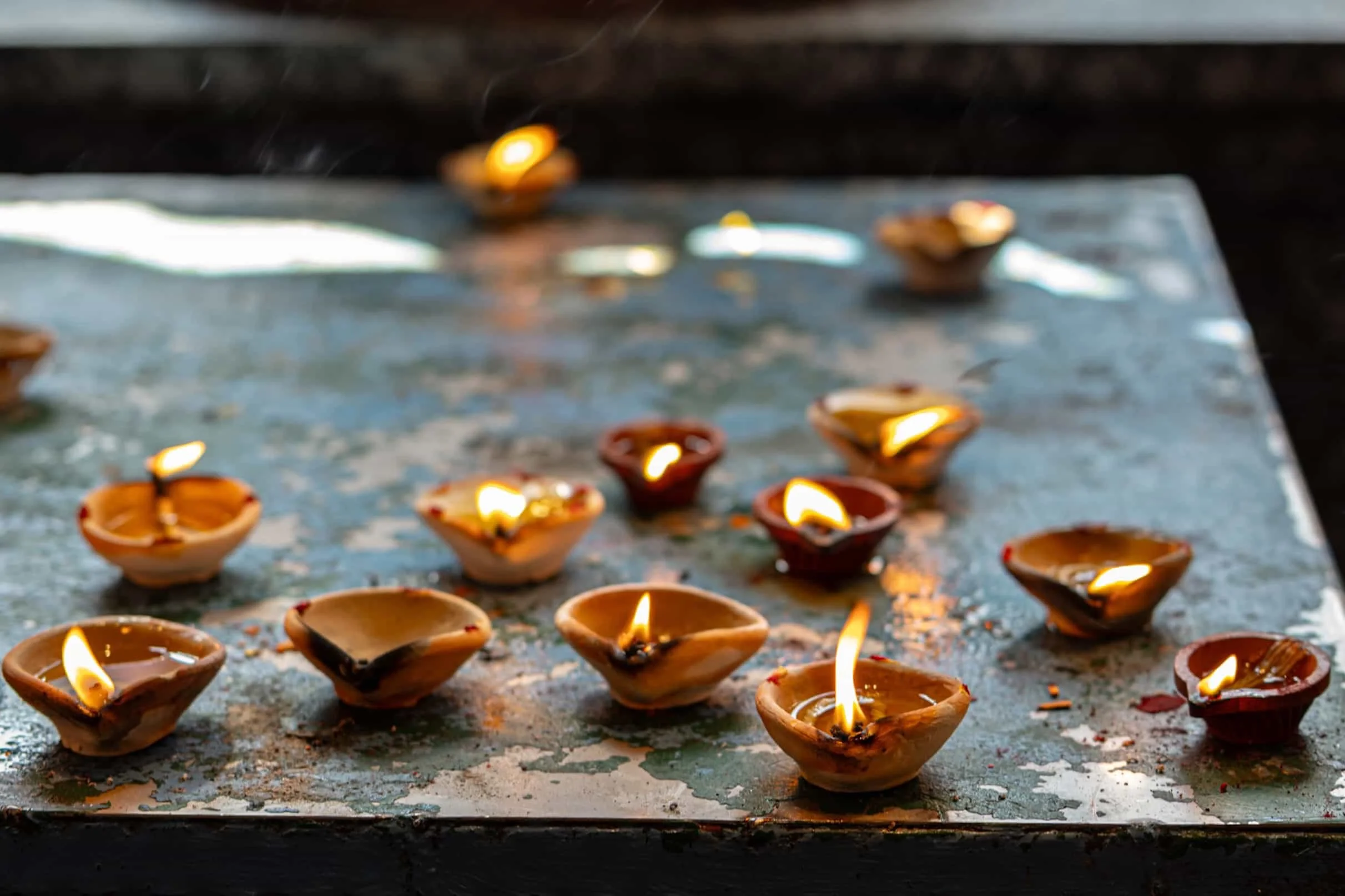
If you've never experienced a Hindu puja before, it's worth sticking around to watch. Inside the cave, you'll see priests making offerings, chanting, and performing rituals at the shrines. You don't have to participate if you're not comfortable. You can stand to the side and observe respectfully. It's a beautiful to witness, even from a distance.
TIPS FOR VISITING BATU CAVES
Here's a quick summary of everything you need to know before your visit from Batu Caves opening hours to monkey safety:
Go early
Arrive by 7 am. You'll beat the crowds and the heat. The stairs are no fun under the midday sun.Dress appropriately
Cover your shoulders and knees. Officers check at the entrance. If you forget, free sarongs are available to borrow.Watch your belongings
The monkeys are quick and bold. Keep your bag close, don’t bring any food, and tuck away sunglasses or anything that looks grab-worthy.Wear comfortable shoes
Wear something sturdy and easy to walk in and shoes that you can easily remove, if you are going inside the temples you will remove your shoes a couple of times.Bring water
It gets hot. Stay hydrated, especially if you're visiting mid-morning or later, but keep your bottle hidden from the monkeys.Plan for about two hours
The main cave takes about an hour or so. Add extra time if you want to see the two temples at the bottom and the Ramayana Cave.Consider a guide
If it's your first time at a Hindu temple, a guide can help you understand the stories and rituals behind what you're seeing. It adds a lot to the experience.Take your time on the stairs
The steps are steep, but there's no rush. Pause along the way to catch your breath and take in the view.
RAMAYANA CAVES: IS THIS BATU CAVES ATTRACTION WORTH VISITING?
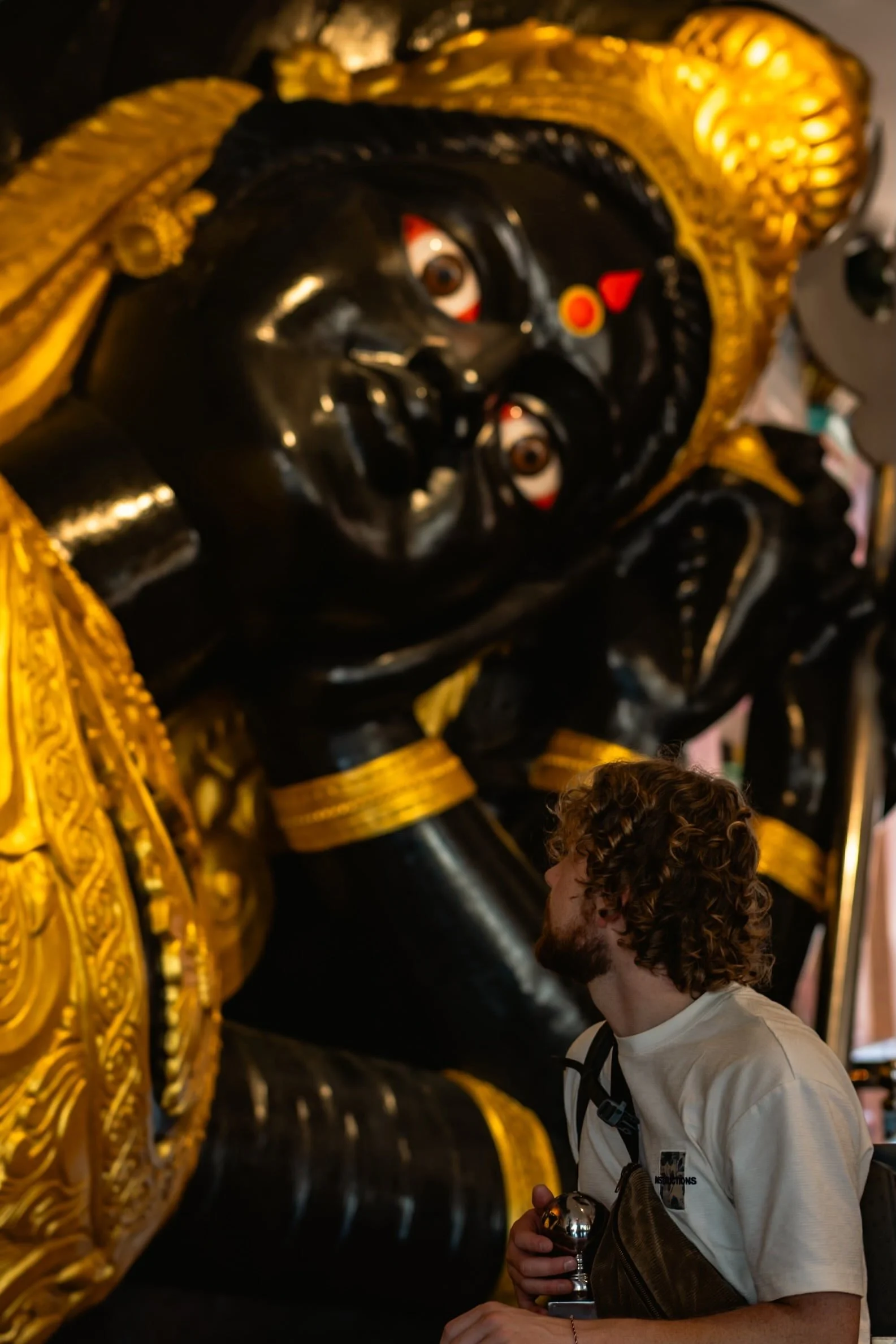
One thing we noticed is that many tourists actually walk right past this cave. It's tucked to the left of the main area, near the giant Hanuman statue, and most people don't even realize it's there.
We've experienced the Ramayana story in different ways throughout our travels, we've seen the Ramayana ballet in Indonesia and watched Kathakali performances in India that bring the epic to life through dance and expression. So we came in already familiar with the story.
If you're not familiar with the Ramayana, here's a quick version: it's the story of Prince Rama, his wife Sita, and his loyal companion Hanuman. Sita is kidnapped by the demon king Ravana, and Rama goes on a journey to rescue her with the help of Hanuman and an army of monkeys. The statues in the cave show key moments from that journey: the battles, the devotion, and ultimately the triumph of good over evil.
The cave itself is filled with colorful statues and neon lights depicting scenes from the Ramayana. There are signs along the way explaining what's happening, though some were missing when we visited, and the path through the cave felt a bit confusing, we weren't always sure which way to go to follow the story in order.
The statues inside aren't the prettiest we've seen, but the cave itself is lovely. There are stairs going two ways, one up to a Shiva Lingam, the other to a small cave with a water fountain and Lord Shiva. We loved this little spot. It's calm, you can sit and meditate, and if you're careful, you can climb around the wet rocks near the statue.
We'd say if you have some time to spare, it's worth a visit. But if you're short on time, it's not a must-see. The main temple and the climb are really the highlight of Batu Caves.
ENTRANCE FEE | RM 15 | €3 | US$4 foreigner adult ticket
OPEN | 8:00 A.M. – 9:00 P.M. daily
THAIPUSAM: WHAT YOU NEED TO KNOW
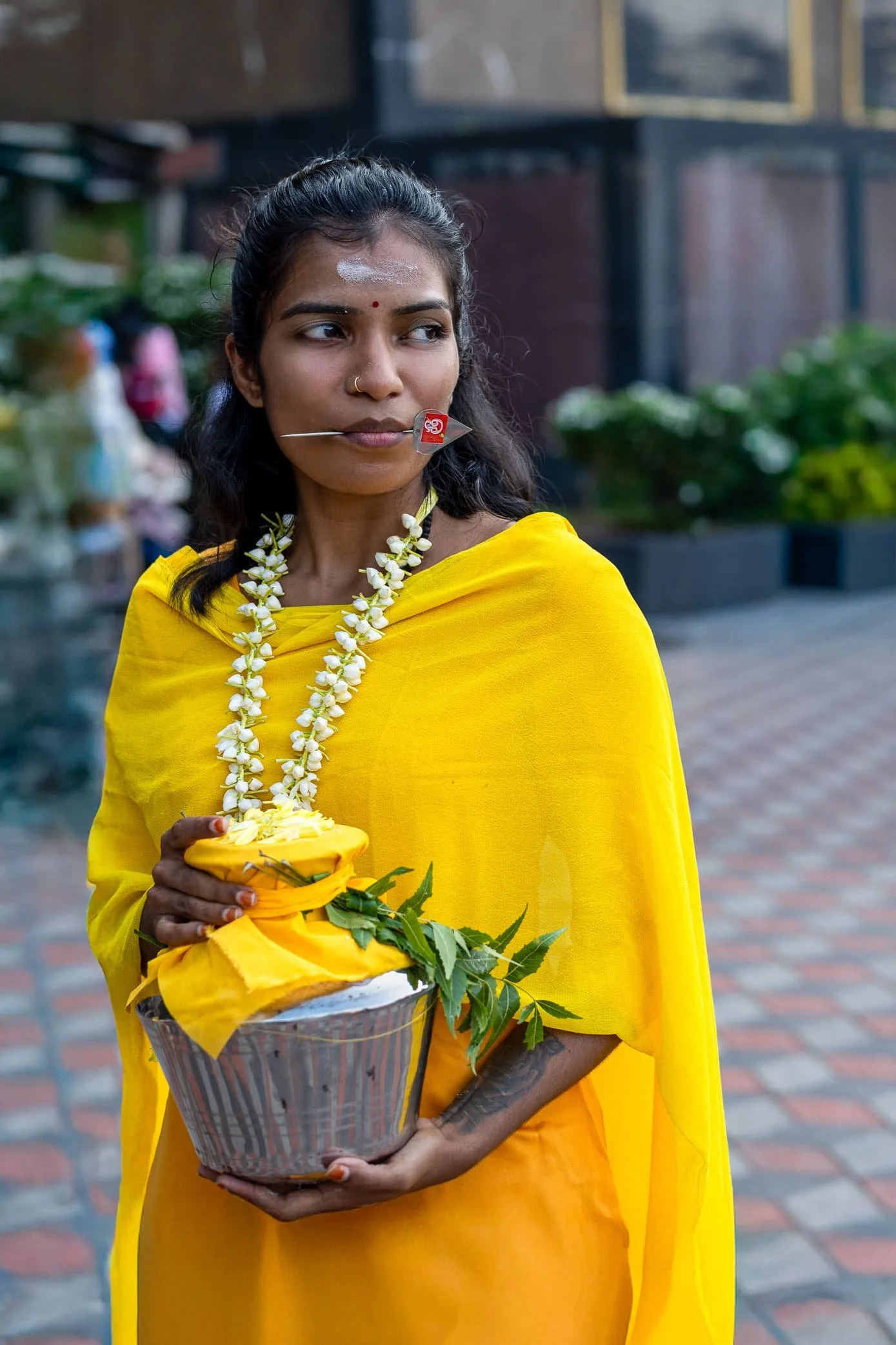
Every year, the Batu Caves Murugan statue becomes the heart of one of Malaysia's most extraordinary festivals. Thaipusam is one of the biggest Hindu festivals in Malaysia, celebrated by the Tamil community in honor of Lord Murugan. It falls on the full moon in the Tamil month of Thai, usually January or February each year.
At Batu Caves, it's a massive event over a million people gather to witness devotees carrying ornate structures called kavadi, some with hooks and skewers piercing their skin as acts of devotion and penance.
We haven't been ourselves during Thaipusam, so we can't speak from personal experience. But from what we've read and heard, here's what to expect: the site is packed, trains run 24 hours, and the atmosphere is intense, colorful, and deeply spiritual. If you go, be respectful and please don't block the path of devotees carrying kavadi.
If your trip lines up with Thaipusam, definitely plan your visit accordingly. Just go in with realistic expectations about crowds and heat.
WHEN | The date changes every year, next festival January 22, 2027.
WHERE TO STAY IN KUALA LUMPUR?
For first-time visitors, we recommend staying in Bukit Bintang or KLCC. These areas are centrally located, well-connected by public transport, and packed with dining, shopping, and entertainment options. Bukit Bintang is lively and perfect for those who love nightlife and street food, while KLCC offers iconic views of the Petronas Twin Towers and upscale mall access. If you prefer a more cultural and walkable vibe, Chinatown offers budget-friendly stays amid historic streets and local markets. Ready to book your stay? Here are some of our favorite accommodations in Kuala Lumpur:
BUDGET | We stayed at Swiss-Garden Hotel Bukit Bintang. The rooms are clean, modern, and surprisingly spacious. And you’ll love the location. We enjoyed having so many dining options right at our doorstep.
COMFORT | At the KLoe Hotelyou’ll be waking up to their outstanding breakfast. It was a highlight every morning, and we couldn’t get enough of the stunning pools and breathtaking city views. If you’re into that sleek, modern industrial style and minimalism and plenty of natural light, this is your spot.
ESCAPE | Indulge at Pavilion Hotel Kuala Lumpurwith pure luxury at this elegantly designed hotel, featuring a rejuvenating spa, serene sauna, and a breathtaking infinity pool with panoramic views. Daily breakfast is included, along with beautifully appointed rooms blending modern comfort and sophisticated style.
a

HOW TO GET TO KUALA LUMPUR?
For many travelers, Kuala Lumpur is the start or end of their Malaysia trip. The city is served by Kuala Lumpur International Airport (KUL), one of the busiest in Southeast Asia with excellent global connections.
Getting into the city is straightforward. You can book a Grab, the local ride-hailing app, which takes around 45 minutes to an hour. If you prefer a faster and cheaper option, the KLIA Ekspres train brings you directly to KL Sentral in just 35 minutes.
KL Sentral is also the city’s main transport hub and the perfect starting point for onward journeys. From here, buses easily connect you to popular destinations like the Cameron Highlands (3–4 hours) or Ipoh (3 hours). See the bus schedule and reserve your tickets through 12go.asia here.
AIR | Find the best deals on flights to Kuala Lumpur with Skyscanner
HOW TO GET AROUND KUALA LUMPUR?
When getting around Kuala Lumpur, it’s best to plan extra time since traffic can get quite heavy. The historic core of Chinatown is very walkable, and exploring on foot is a great way to enjoy the vibrant street art and heritage buildings. For longer distances, the city has an affordable and reliable public transport network. The MRT and LRT trains connect most major areas, and the free GoKL buses are perfect for short trips around the center. If you prefer more flexibility, ride-hailing apps like Grab or InDrive are widely used and easy to book, though travel times can vary with traffic.
Ever been stuck without internet in a new city? Your maps won’t load, you can’t book a ride, and asking for directions feels impossible. That’s where an eSIM comes in handy. We’ve had the best experience with Saily, which offers great value and a reliable connection.
READY FOR YOUR MALAYSIA TRIP?
KEEP EXPLORING | Things we loved to do in Penang, Ipoh & Langkawi
DAY TRIPS FROM KL | Our guides to Cameron Highlands & Melaka
MALAYSIA ESSENTIALS | Everything you need to pack for Malaysia
WORRY-FREE SPENDING | Our favorite way to pay abroad WISE card
PROTECT YOUR TRIP | We stay safe from medical emergencies with HeyMondo (5% discount) & SafetyWing (for digital nomads)
ECO-FRIENDLY PACKING | See the Eco-Swaps that made our Malaysia trip more sustainable
THE GEAR WE TRUST | Shop our Amazon storefront
FREQUENT ASKED QUESTIONS
-
This is probably the most asked question on our social channels. We went around 7 a.m., and the photos you see were taken with our drone.
To be honest, if getting those empty staircase shots is important to you, then yes it's worth waking up early. Also consider a weekday morning for a less crowded experience.
-
Entry to the main Temple Cave and the famous 272 steps is completely free. However, some attractions within the complex such as the Dark Cave and the Ramayana Cave charge a small entrance fee for maintenance and conservation purposes.
-
Batu Caves is open to visitors every day from 7:00 AM to 9:00 PM, including weekends and public holidays. During major Hindu festivals like Thaipusam, the site remains open on its standard schedule, though the festive atmosphere often continues well beyond these hours.
-
The best time to visit is early morning, ideally before 9:00 A.M. If you want the Batu Caves stairs to be completely empty for pictures consider arriving at 7:00 A.M. Arriving early means cooler temperatures, fewer crowds, and better conditions for climbing the 272 steps. Weekdays are generally quieter than weekends.
-
Photography is generally permitted throughout the Batu Caves complex. However, it is courteous to ask for permission before photographing inside the temples, particularly during prayer or ceremonies.
-
Yes, drones are allowed at Batu Caves.
PLAN WITH OUR MALAYSIA GUIDES
FOLLOW us





Your complete guide to Batu Caves Murugan temple. Learn about the golden statue, dress code, and tips for visiting this incredible Malaysian landmark.